

Why Electrical Panel Inspections Are Important for Your Home
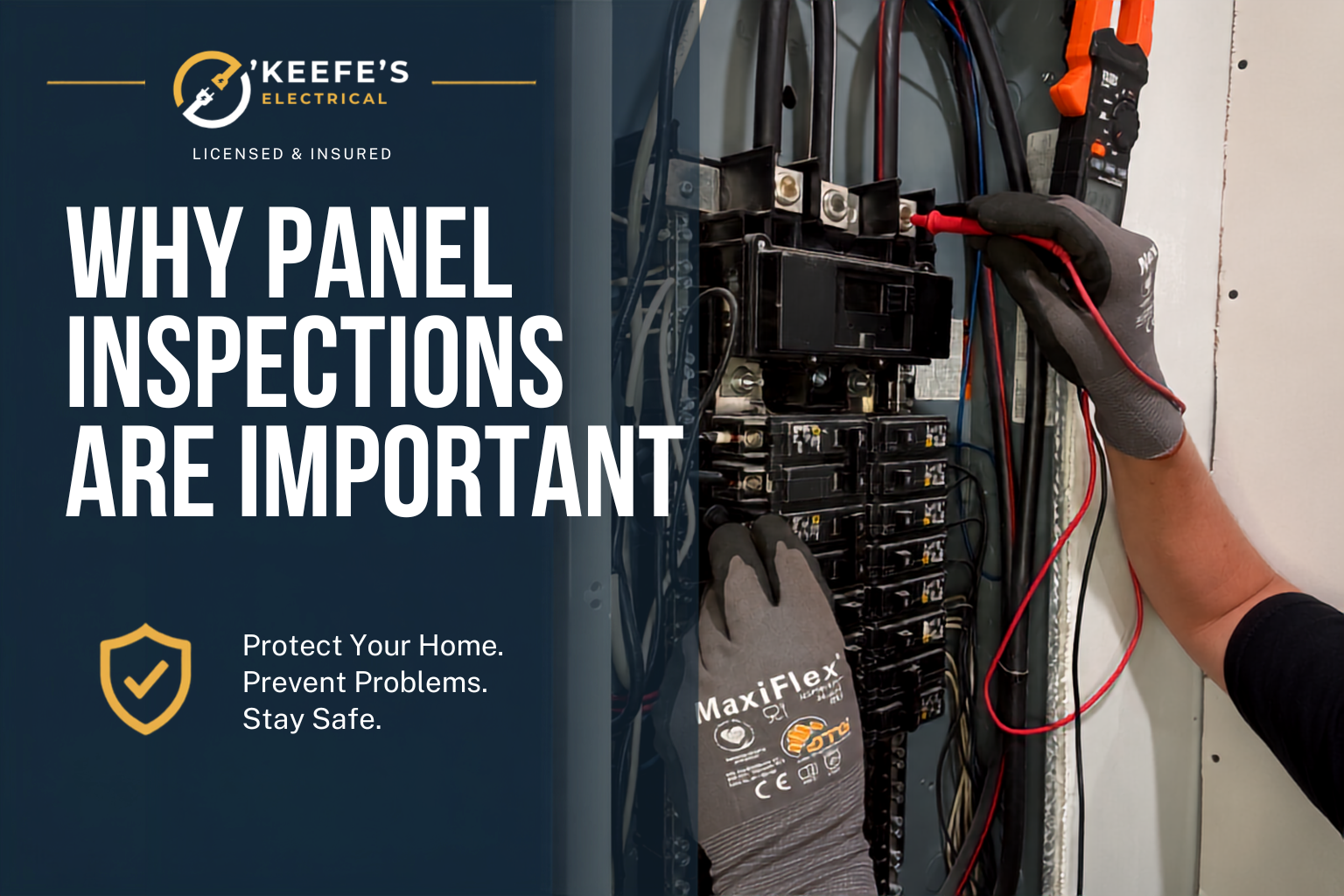
Your electrical panel is one of the most important parts of your home's electrical system. It distributes power throughout your home and contains the breakers designed to protect individual electrical circuits.
But unlike an HVAC system, vehicle, or other equipment homeowners regularly maintain, the electrical panel can easily go years without being professionally inspected.
The problem is that not every electrical issue gives you an obvious warning sign. Loose connections, corrosion, damaged components, improper wiring, and other concerns can develop while your lights and appliances continue working normally.
A professional electrical panel inspection can help identify these issues early and give you a better understanding of the condition of your home's electrical system.
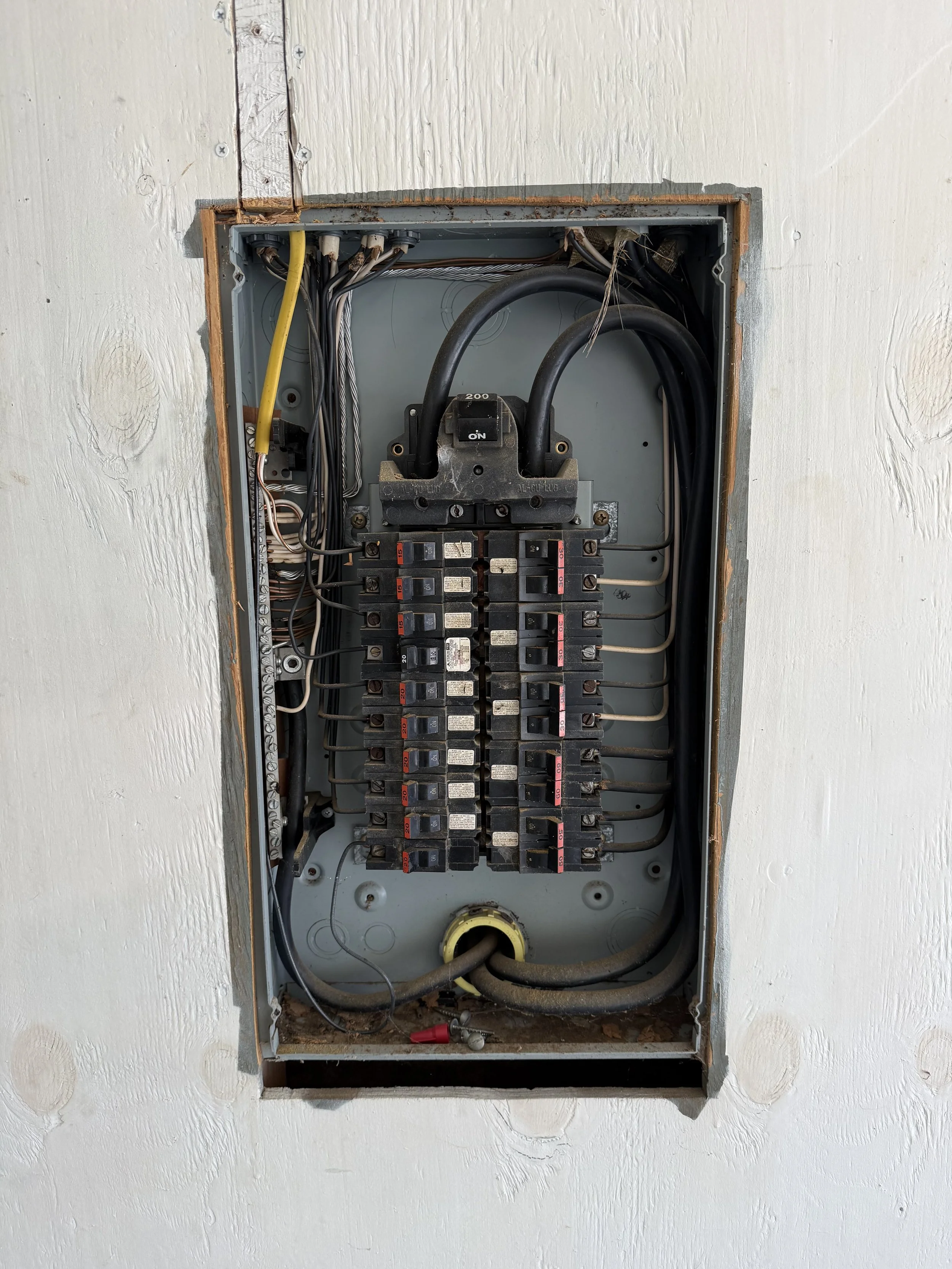
What Is an Electrical Panel Inspection?
An electrical panel inspection is more than simply opening the panel door and looking at the breakers.
A qualified electrician can evaluate the panel and its components for visible signs of damage, deterioration, improper installation, overheating, and other electrical concerns.
Depending on the panel and circumstances, an inspection may include checking for:
Loose or questionable electrical connections
Signs of overheating or discoloration
Corrosion, moisture, or rust
Damaged breakers or components
Improper breaker installation
Double-tapped or improperly terminated conductors
Grounding and bonding concerns
Missing or incorrect panel labeling
Visible damage to wiring
Signs of previous improper electrical work
Overall condition of the electrical panel
The goal isn't automatically to recommend replacing your electrical panel. It's to understand its current condition and identify anything that may need attention.
Why Are Electrical Panel Inspections Important?
1. Electrical Problems Aren't Always Obvious
A breaker doesn't necessarily have to trip for there to be a problem.
Electrical connections and components can deteriorate over time. In some cases, everything in the home may appear to work normally even though an issue is developing inside the electrical panel.
That's one reason professional inspections are valuable: they allow an electrician to look at areas of the electrical system that homeowners normally don't see.
2. Loose Connections Can Create Problems
Electrical connections need to remain secure.
Over time, connections may become loose or show signs of deterioration. A poor connection can create resistance and excessive heat, potentially damaging wiring, breakers, or other electrical components.
During an inspection, an electrician can look for visible indications that connections or components may require further attention.
3. Moisture and Corrosion Can Damage Electrical Equipment
Electrical panels and moisture don't mix.
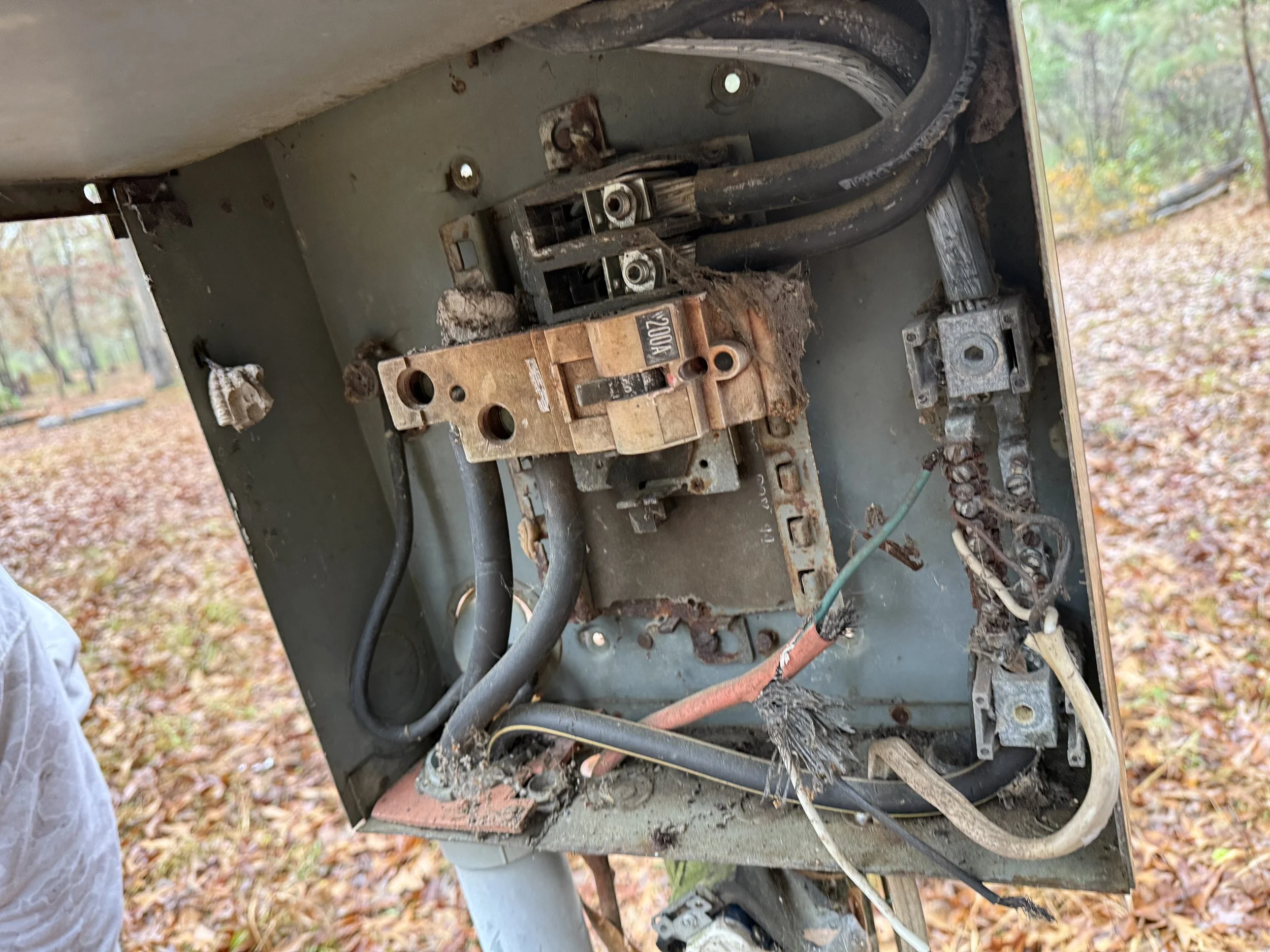
Water intrusion, humidity, leaks, and other environmental conditions can lead to corrosion inside electrical equipment. Even relatively small amounts of corrosion can be an indication that the panel should be evaluated.
If you notice rust around your electrical panel—or know that the area has previously been exposed to water—it's a good idea to have it checked.
4. Your Home's Electrical Needs Can Change
Many homes use considerably more electrical equipment today than when they were originally built.
Modern HVAC equipment, electric ranges, hot tubs, pools, generators, EV chargers, and other equipment can change the electrical demands placed on a home.
Before installing a major new electrical load, evaluating the existing panel can help determine whether the electrical system is appropriately configured for the planned equipment.
5. Previous Electrical Work May Need Attention
If you've owned your home for years—or recently purchased an older home—you may not know everything that has been changed electrically.
Previous homeowners, remodels, additions, and repairs can all result in modifications to the electrical panel.
An inspection provides an opportunity to identify questionable modifications and determine whether further evaluation or repairs are appropriate.
Signs Your Electrical Panel May Need to Be Inspected
You don't have to wait until something completely stops working.
Consider having your electrical panel inspected if you've noticed:
Breakers that frequently trip
Flickering or dimming lights
Buzzing or unusual noises near the panel
A burning or unusual electrical smell
Warm or unusually hot electrical components
Rust, corrosion, or moisture
Visible damage
Breakers that will not reset
Unexplained electrical problems throughout the home
You should also consider an inspection if you don't know the age or condition of your electrical panel, especially when purchasing an older home or planning electrical upgrades.
Important: Homeowners should not remove an electrical panel cover themselves. Electrical panels contain energized components that can remain hazardous even when individual breakers are turned off. Have a qualified electrician perform internal inspections.
When Should You Have Your Electrical Panel Inspected?
There isn't one inspection schedule that's right for every home.
Instead, there are certain situations when having the panel evaluated makes particularly good sense.
For example, consider an inspection when buying a home, renovating, adding significant electrical equipment, experiencing recurring electrical problems, discovering water near the panel, or when the electrical system hasn't been professionally evaluated in many years.
It can also simply provide useful information if you're unsure about the condition of your home's electrical system.
Does an Inspection Mean I Need a New Electrical Panel?
No.
Finding something during an inspection doesn't automatically mean the entire electrical panel needs to be replaced.
Some findings may require a relatively straightforward repair. Others may simply need to be monitored or corrected during future electrical work.
If more significant concerns are discovered, your electrician can explain what was found and discuss the available options.
A good inspection should leave you better informed about your electrical system, not pressured into unnecessary work.
Planning an EV Charger, Generator, or Other Electrical Upgrade?
An electrical panel inspection can also be useful before adding equipment with significant electrical demand.
For example, homeowners considering a:
EV charger • generator • hot tub • HVAC system • electric range • additional circuits • major renovation
may benefit from having their existing electrical service and panel evaluated before moving forward.
This can help determine what electrical work may be needed as part of the installation.
Free Electrical Panel Inspections in Jacksonville & Onslow County
At O'Keefe's Electrical, we believe homeowners should understand the condition of the electrical system powering their home.
That's why we're currently offering free electrical panel inspections for homeowners in Jacksonville and throughout Onslow County, North Carolina.
We'll inspect your panel for visible signs of wear, loose connections, corrosion, damage, and other electrical concerns and explain what we find.
No pressure. No obligation. Just a professional look at one of the most important parts of your home's electrical system.
Ready to Have Your Panel Checked?
Schedule your free electrical panel inspection with O'Keefe's Electrical today.